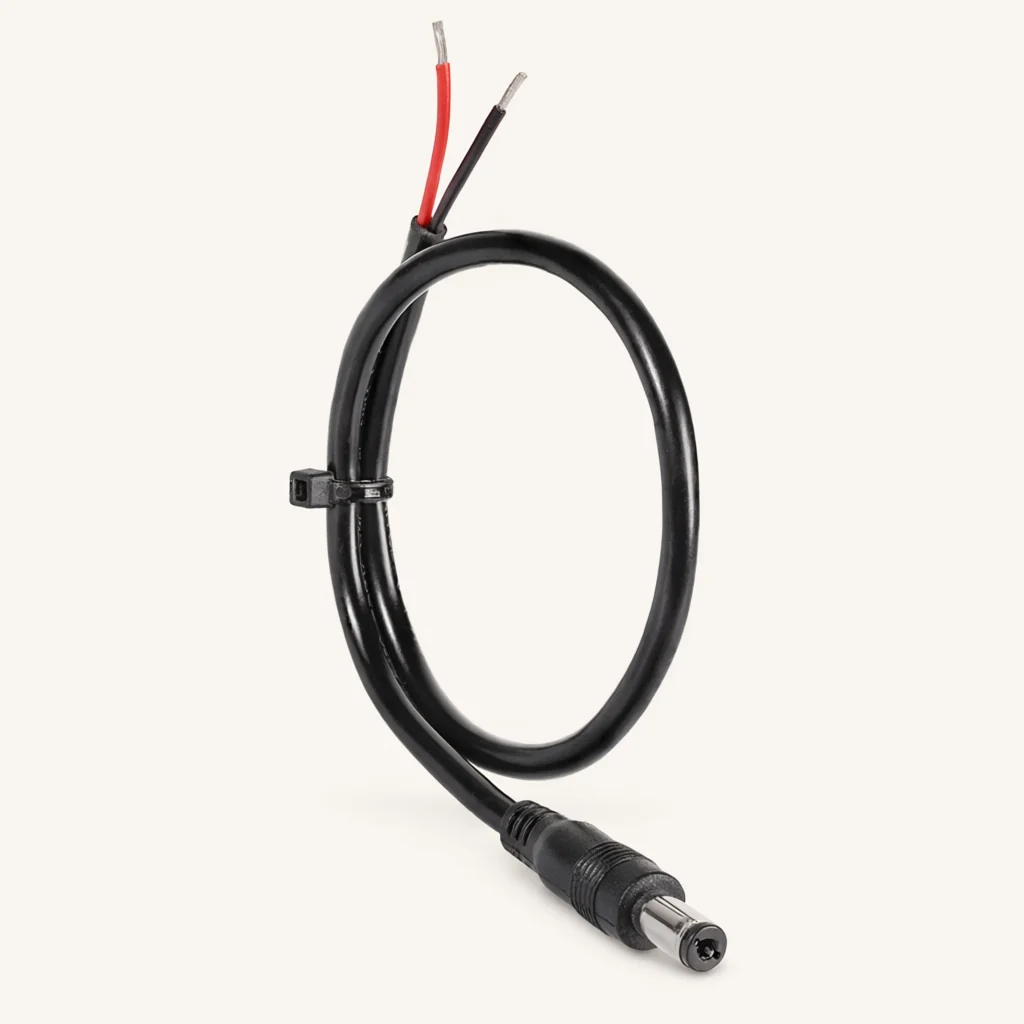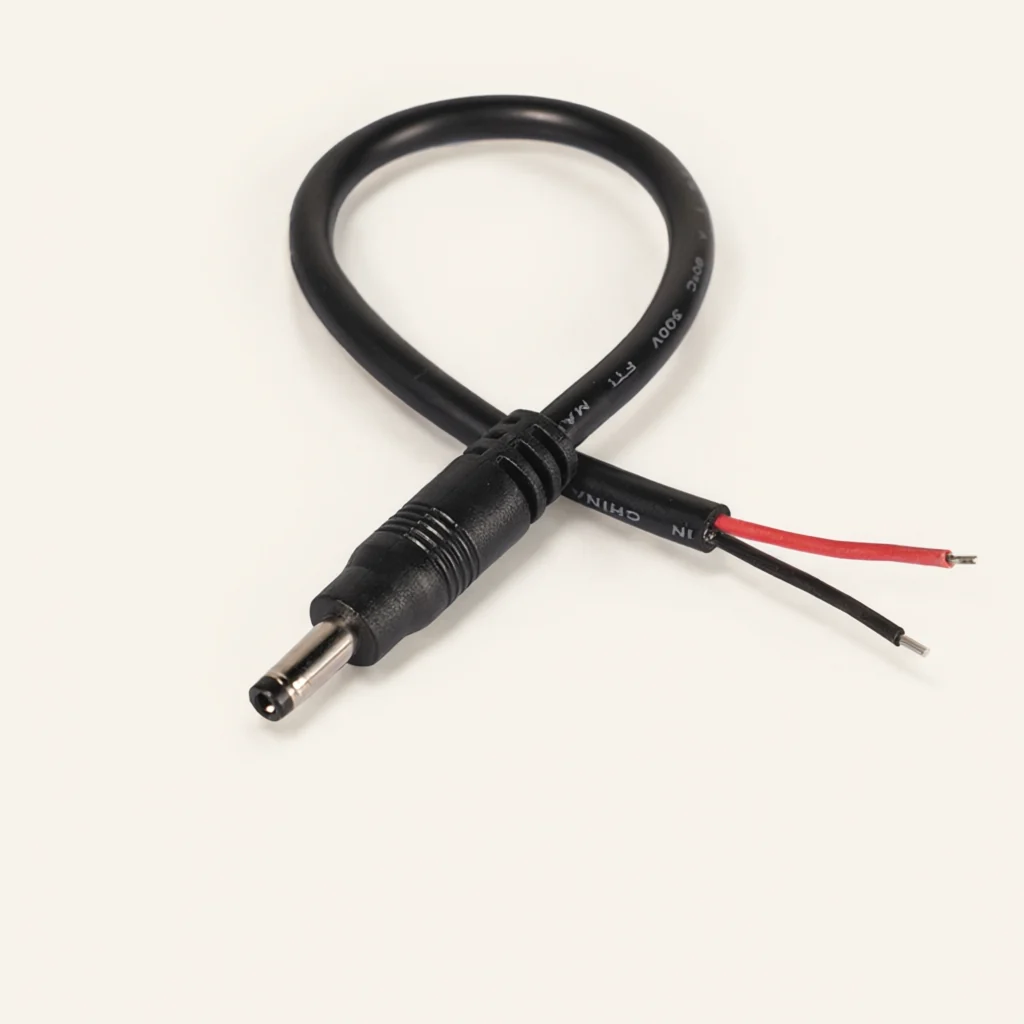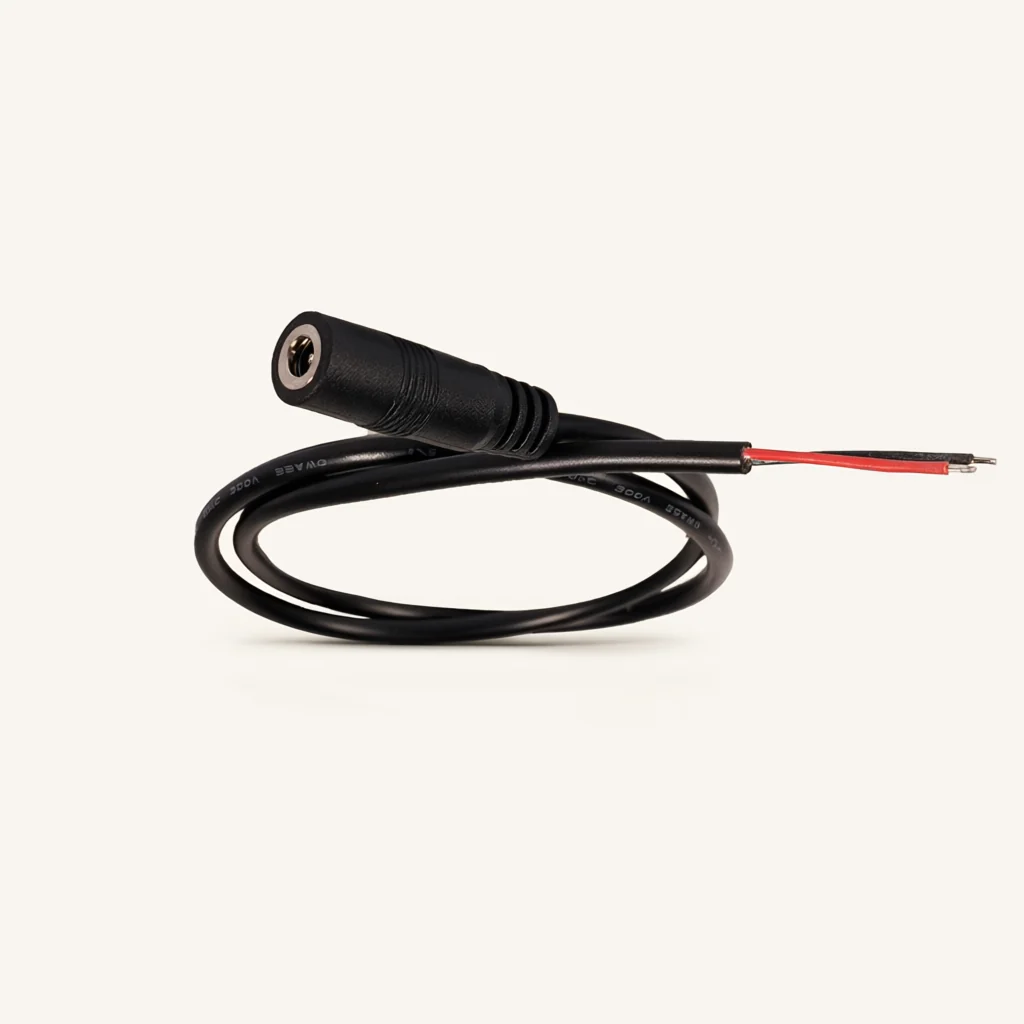
Choose a branch arrangement before choosing a length
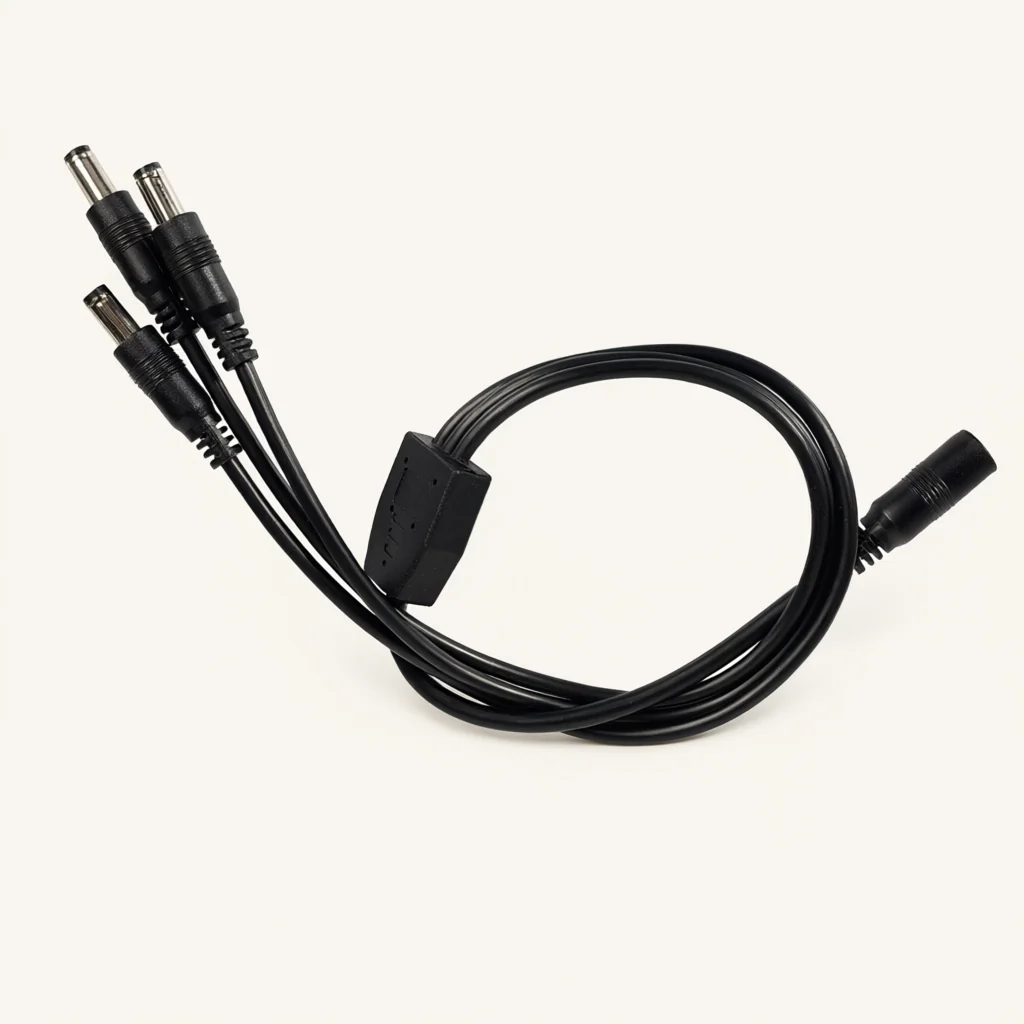
A splitter inquiry needs more than a cable length. Begin by identifying whether your project requires two, three or four male connectors and which listed connector identity you want considered. Label the female connection and each male branch on a sketch. Keep those labels consistent through the layout, wiring request and purchasing description.
Describe the component associated with each connection. Which mating part is referenced at the female connector, and which part is referenced at each male connector? Include the relevant drawings or specifications and ask for the proposed geometry to be reviewed against them. Treat the connector designations as identities to specify, with any additional dimensions established in the drawing review.
If your project has several possible branch arrangements, identify them as separate requested configurations. State which one is preferred and which question the alternatives are intended to answer. Avoid leaving the branch count open within a single item description when the quotation needs to distinguish the proposed cables.
Published splitter series options
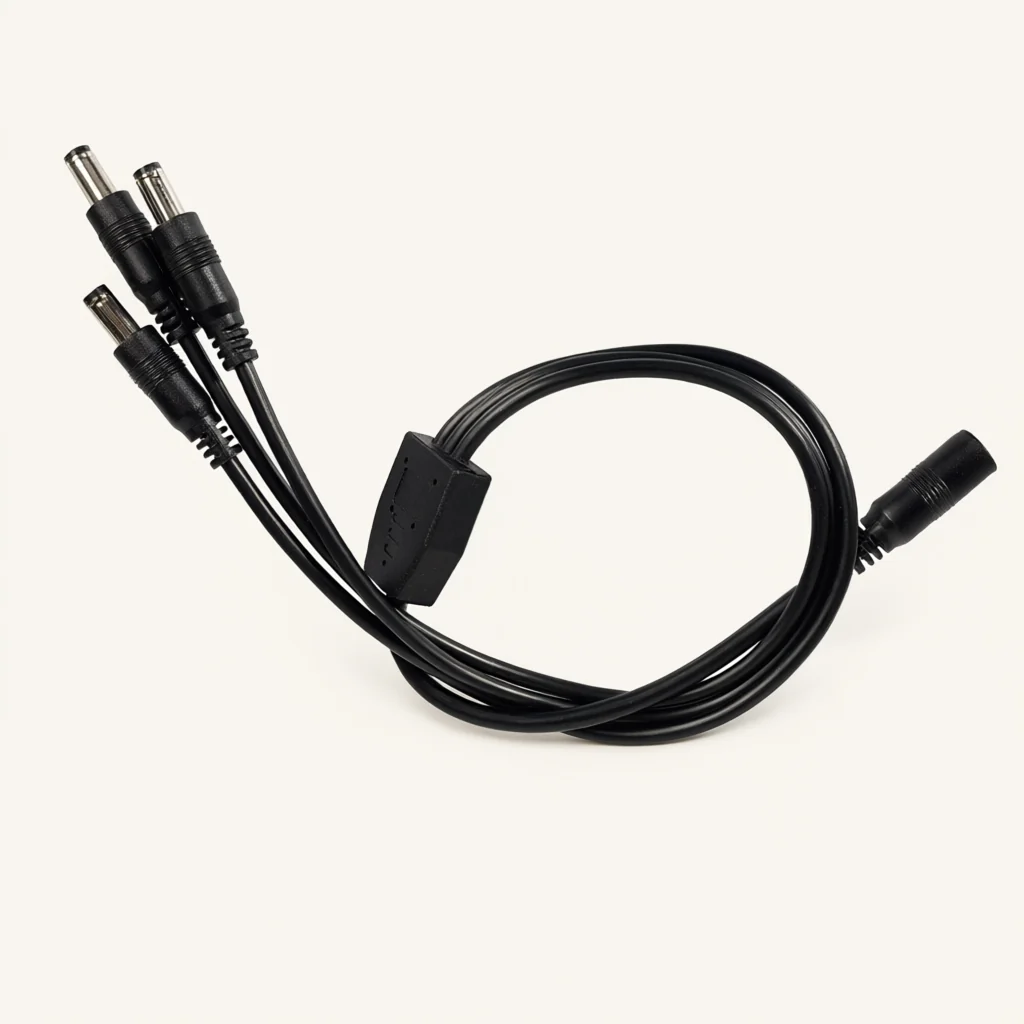
The series identifies DC5525 and DC5521 female-to-two, three or four-male connectors. It lists a cable length of 450 mm, with customized lengths available. Black or customized color is listed, and PVC is identified as an outer jacket material. Length, color, jacket material and packaging are included in the listed customization scope.
Use the published length as a series reference and provide your own drawing to explain the dimensions required by the selected branch arrangement. Identify which portion of the cable each dimension describes. Ask for the proposed dimensions to be stated in the quotation or associated drawing, so that the length description has a clear meaning for your item.
The packaging description includes bulk pack, retail box and OEM box options. Tell us which arrangement you want considered and which item identification your project needs. Choose the cable configuration first, then discuss packaging against that specific item. Keep alternatives separately named if your team wants to compare more than one arrangement.
| Item | Published series information |
|---|---|
| Connector identities | DC5525 / DC5521 |
| Arrangement | Female to 2 / 3 / 4 male connectors |
| Length listed | 450 mm or customized |
| Color | Black or customized |
| Jacket listed | PVC |
| Customization | Length, color, jacket material and packaging |
Label the trunk and every branch on the layout
Prepare a drawing that shows the female connection, the branch point and each male end as your project intends them to be arranged. Assign a unique label to each branch. Mark the route to the corresponding mating component and note any position your assembly team wants reviewed. If a dimension is still undecided, identify it as an open requirement.
For each requested dimension, show its start and end reference points. State whether the dimension concerns an individual branch, another section or the complete arrangement. Include the tolerances your team requires and ask for them to be reviewed. Keep this dimension map beside the connector arrangement so the proposed cable can be discussed as one defined assembly.
Where branches need different routes, describe each route individually. Do not use a single unexplained length to stand for all branches. Custom lengths are listed for the series, so submit the layout your project requires and ask for the proposed configuration to be described against it. If equal branch dimensions are intended, state that requirement explicitly in the drawing.
Define the intended connection map
Ask your engineering team to provide the contact relationship from the female connection to each male branch. Include polarity requirements and the viewing direction of each connector view. Use the same branch labels as the layout drawing. Where the project has a separate electrical schedule, link the applicable section to the splitter item reference.
Provide the complete operating requirements of your intended assembly. Ask your team to identify the requirements at each branch and for the overall arrangement, then request a proposed cable construction against those inputs. Keep any supporting-document requirements in the inquiry. A connector count should not replace the electrical specification your project needs reviewed.
If one branch serves a different component from the others, identify that difference in the connection map and mating references. Ask your engineering team to resolve the requirements for the complete arrangement before purchase approval. Keep the branch labels on any proposed revision so a change to one connection can be traced to the correct part of the drawing.
Prepare an RFQ that distinguishes the configurations
A useful buyer's request can begin, 'Please quote the splitter arrangement shown in the linked branch drawing. Use the connection labels and dimension endpoints in that drawing, and identify any requirement needing clarification.' This is an inquiry format rather than a product specification. Add the actual connector identity, selected branch count, requested dimensions and quantity for your project.
If you are comparing a two-branch and another listed arrangement, give each proposal its own item reference. Identify the dimensions and connection map applicable to each one. Ask for the proposals to be itemized so your purchasing team can see which configuration each price and commercial term belongs to.
Use the customization page to describe length, color, jacket and packaging requests. Share drawing links in the message or email the specification. Include any requested schedule and explain whether you want a sample proposal, a quotation against a released drawing or a discussion of still-provisional requirements.
Review the splitter branch by branch
If a sample review is part of your purchasing plan, prepare a checklist based on the branch labels. Ask your team to review the female interface, each male interface, the route of each section and the intended connection map. Record the drawing revisions used and identify any open issue against the branch or section concerned.
Define the checks and supporting documents your project requires for the proposed supply. Keep dimensional, connection and appearance criteria as separate review entries. If your team accepts a common feature across all branches, state that clearly; if a decision concerns only one branch, keep the scope limited to that label in the review record.
After review, describe requested revisions precisely. A changed branch dimension should identify the branch and the revised endpoints. A changed mating reference should identify the affected connector. Ask for an updated drawing or item description before approving the order, and retain that approved reference for incoming review and future inquiries.
Coordinate cable appearance and identification
Black and customized color are listed series options. State the appearance you want considered, together with any reference your team will use to review it. Keep color requirements separate from the electrical connection map. If identification is needed to distinguish branches during assembly, describe that request and ask how it can be addressed in the proposed configuration.
For packaging, describe how the item should be recognized by your receiving or assembly team. Provide the purchasing reference and any grouping requirement you want considered. Ask for the selected bulk, retail or OEM box arrangement to be named in the quotation. Distinguish mandatory identification from optional presentation preferences.
Manage changes without losing branch identity
For a revised equipment layout, identify which splitter connection is affected before asking for a new quotation. Retain the branch labels where they still refer to the same connection, and explain any renamed or removed reference. Ask your team to review the complete updated arrangement even if the initial change concerns only one part of the drawing.
When comparing a revised proposal with a previous one, record what your team wants retained and what it wants changed. Keep the current drawing link beside the item reference used in the inquiry. Superseded branch drawings should remain distinguishable from the specification your buyer is using for the proposed purchase.
Check branch labels before sending the inquiry
Before sharing the specification, compare the branch names in the route drawing with those in the connection map. Ask your team to resolve any label used for different connections in different documents. If a diagram uses numbers while another uses letters, add a clear reference between them or adopt one labeling convention for the request. Give the buyer the current links and identify which drawing controls the proposed arrangement. Keep the same labels in subsequent quotation questions so a requested change reaches the correct branch.
Request a defined DC splitter configuration
The DC cable catalog provides a route to the product range if your team is still considering the required arrangement. When the splitter choice is clear, contact Huajunxin with the branch drawing, mating references, connection map and requested quantity. Include the selected series options and the questions that remain open.
Before ordering, compare the proposal with the complete branch specification. Confirm the selected connector identities, branch count, dimensions, jacket, color and packaging together with the commercial terms. Keep the agreed drawing and item reference for future requests, especially if your equipment range uses more than one splitter configuration.
Frequently asked questions
Which connector arrangements are listed?
The series lists DC5525 and DC5521 female-to-two, three or four-male connector configurations. Identify the exact arrangement you want quoted and provide the mating references for the female connection and each branch.
What does the listed 450 mm length mean for my drawing?
The series lists 450 mm and customized lengths. In your inquiry, show the required dimension endpoints and identify the section each dimension describes. Ask for the proposed cable drawing to define those measurements for your selected arrangement.
How should I describe the electrical requirements?
Provide the intended contact map and the operating requirements for each branch and the complete assembly. Ask for the proposed construction to be reviewed against those inputs and identify any supporting documents your project requires.
Can I compare different branch counts?
Use separate item references for the listed configurations you want compared. Give each one its own layout and requested dimensions, then ask for the proposals and commercial terms to be itemized by configuration.